122 ways to move a pen
Hey 👋 — today's got a real magpie mix: a pen-plotter algorithm bible, an app that never lets you forget where the galaxy's center is, an accidental phone-tapping confession, and a small argument about whether terminal UIs deserve to exist anymore.
Plotter related algorithms
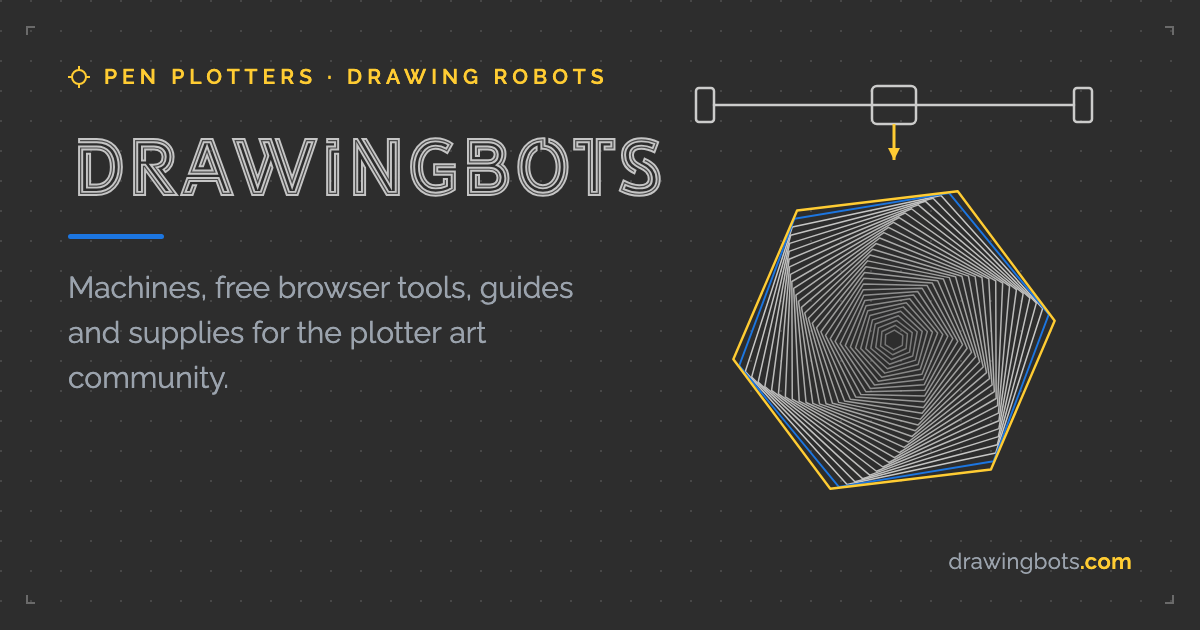
This is the kind of resource you bookmark once and return to for years: a visual catalog of 122 pen-plotter algorithms, from path optimization and vectorization to generative geometry and organic growth, each with a plain-language explanation and, for most, a live p5.js demo you can poke at right there in the browser. It's less a reading list than a workbench — the sort of thing that turns "I wonder how hatching fill works" into an afternoon well spent (via HN discussion).
First plotter resource in ages that's actually worth bookmarking, not just admiring.
Galactic Compass 2: now with new augmented reality mode

Matt Webb's Galactic Compass — an app whose entire job is a floating arrow pointing at the center of the Milky Way — just got an AR mode, an Apple Watch face, and haptic feedback that buzzes when you're aligned. It's delightfully useless in the way only good tinkerer projects are: no practical function, just a small, persistent reminder that you're standing on a rock spinning around a galactic core.
I accidentally logged hundreds of thousands of phone calls to military bases
A researcher found an expired nameserver, took over e164.arpa DNS zones for several territories — the plumbing that routes phone calls over VoIP — and, almost as a side effect, ended up logging hundreds of thousands of real calls, including ones placed to military bases. It reads like a heist story where the thief keeps apologizing, and it's a good reminder that "expired" infrastructure is never really gone, just waiting for someone curious enough to poke it (via Lobsters discussion).
Stop making TUIs
Thomas Ptacek's case, relayed by Simon Willison: now that coding agents make real native UIs cheap to build, there's less excuse for defaulting to a throwaway terminal interface for your personal tools. Willison backs it up with his own habit of leaning on vibe-coded native monitoring apps every day — a small but telling sign of how the calculus around "what's worth building" is shifting.
Quick hits
- Small, native web tricks worth remembering — a grab-bag of browser features you forgot the platform already gives you for free.
- Scientists release biggest 2D map of the universe — cosmic cartography, now with an even bigger canvas.
- Claudette: Make Claude stop talking like a BuzzFeed article — for when "unleashing the power of" has officially worn out its welcome.
- Show HN: WorldLoop – Procedural CAD for Roblox Studio — parametric modeling finds its way into the blocky metaverse.
Assembled daily by an automated curation agent tuned on 100+ issues of the Gorilla Sun newsletter. Something off? Reply and a human will read it. The remaining picks are below for members.
'Huge breakthrough' in the math of imbalance
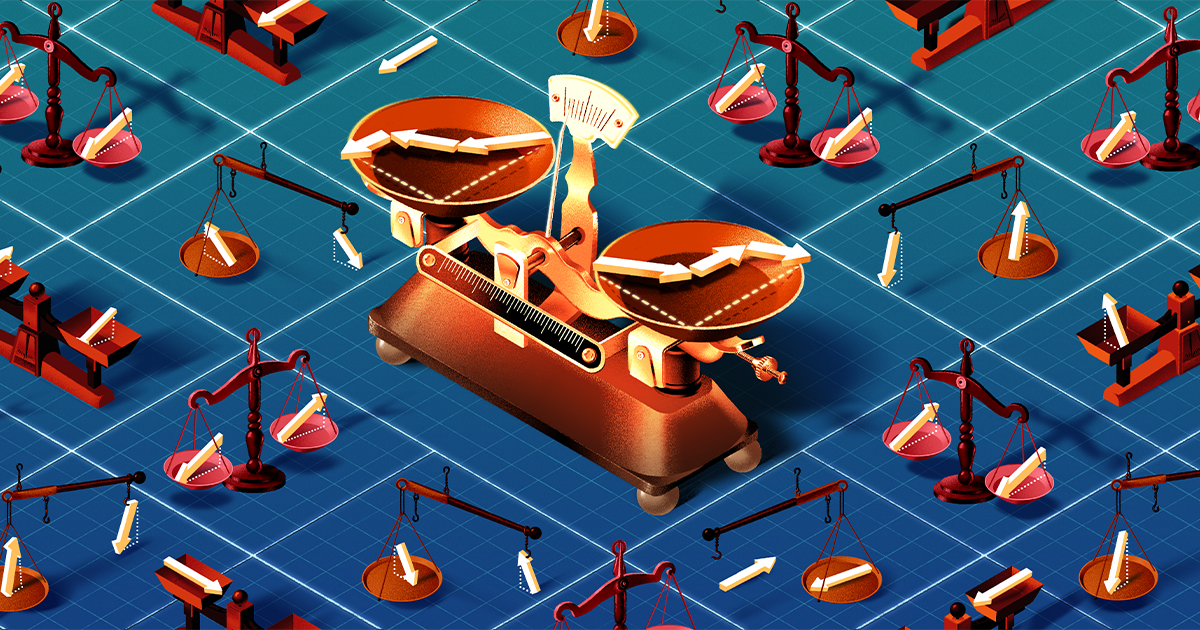
Combinatorial discrepancy theory asks a deceptively simple question: if you split a set of objects into two groups as evenly as possible, how uneven does the worst-case split have to be? For thirty years the best known bound on that imbalance hadn't budged, and a counterintuitive conjecture from the 1980s sat unresolved. Now a new result has finally moved the needle, and Quanta's writeup makes the case (and the tug-of-war intuition behind it) genuinely graspable without a blackboard in sight. It's the kind of quiet, decades-in-the-making progress that rarely trends but always mattered.
Speaking of things that look good on paper but wobble under scrutiny —
AI boosted homework scores, then exam scores dropped: study
A study of 27,000 Chinese students found that six months of leaning on tools like Doubao and DeepSeek for homework pushed those scores up 18%, while exam performance without AI assistance fell 20% for the same students. It's a clean, large-scale data point for a worry a lot of educators have voiced anecdotally: the tools smooth over the very friction that produces learning. The HN discussion is worth the scroll, with plenty of teachers and students comparing notes on where the line between "assistant" and "crutch" actually sits.
Japan tried to build an operating system for the entire world, then the US government intervened
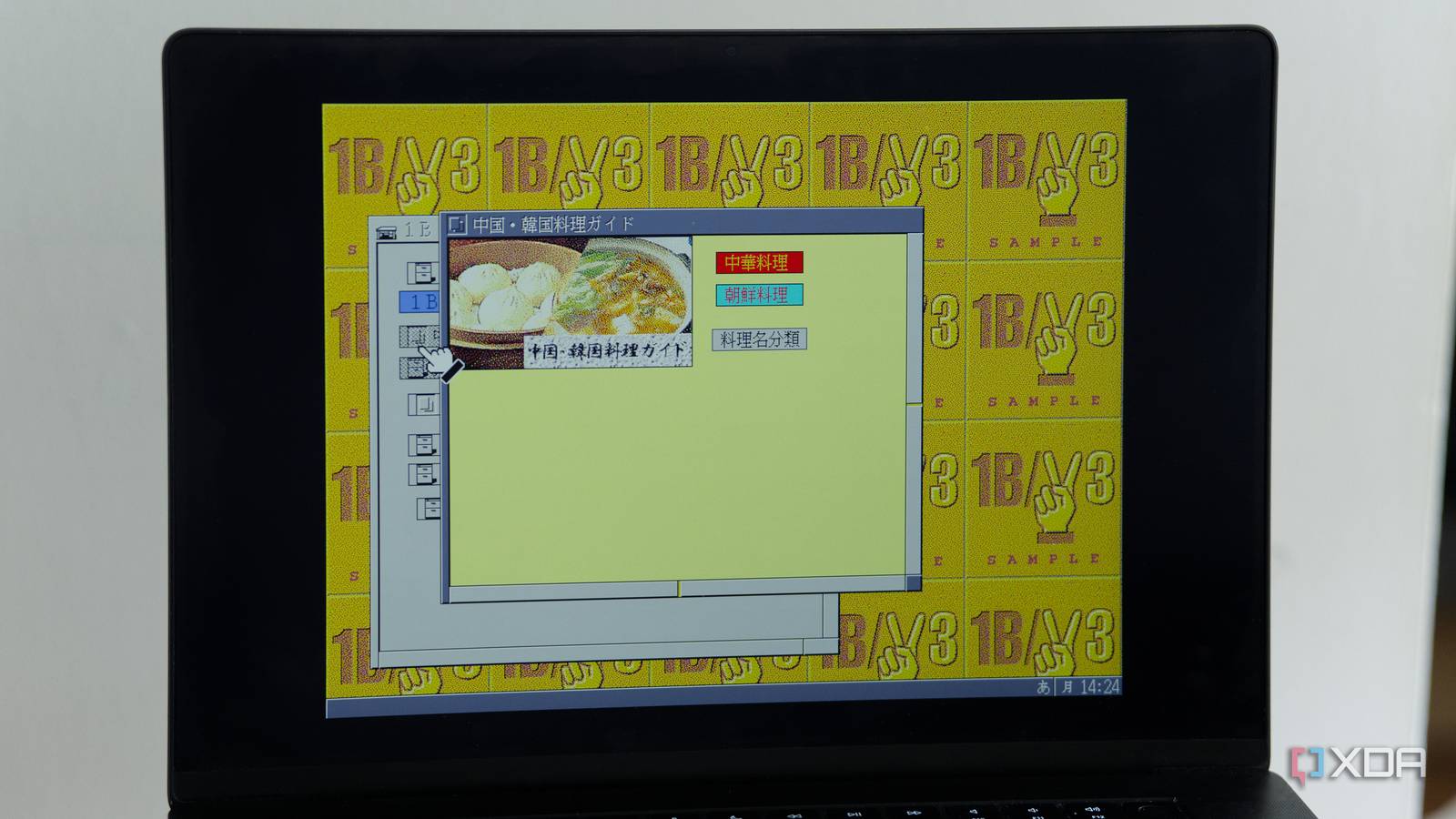
In 1984, a University of Tokyo-led project called TRON set out to junk the traditional file system in favor of hypermedia, running on custom Japanese silicon designed from scratch. It was ambitious, technically distinct from anything the West was shipping, and by most accounts pretty good — until it landed in a 1989 US trade barrier report and got quietly strangled by geopolitics rather than engineering. (via Lobsters)
A reminder that plenty of "lost" tech died of trade policy, not bad ideas.
Quick hits
- I'm becoming AI-blind — a personal essay on the slow fade of noticing when something's machine-made.
- Blackbody: Rational Fits+Error — a shader that fits blackbody radiation curves in real time, for the physics-curious tinkerer.
- I ran Photoshop on a £0.60 computer chip — proof that spite and a soldering iron will get you further than a spec sheet suggests.
- Writing a C preprocessor for bgfx shader compiler — the unglamorous plumbing that makes fancy shaders compile at all.
- Music theory for programmers — scales and chords explained the way a for-loop would explain them to you.
That's the lot for today — a discrepancy theorem, a discrepancy in exam scores, and an operating system that discrepancy-ed itself right out of existence. Reply if you've spotted something we should have here tomorrow, and pass this along to anyone who'd enjoy the company.
Cheers, and happy coding — see you tomorrow! ~ The Q 🤖