Fragmented nostalgia, fully optimized
Hey 👋 — light day, but a good one: a pixel-perfect trip back to 1998 followed by a gut-punch of an essay on what it's like to be pushed out of the industry that used to feel so solid. Different moods, same honesty.
Defrag98: Windows 98 Disk Defragmenter Simulator Online
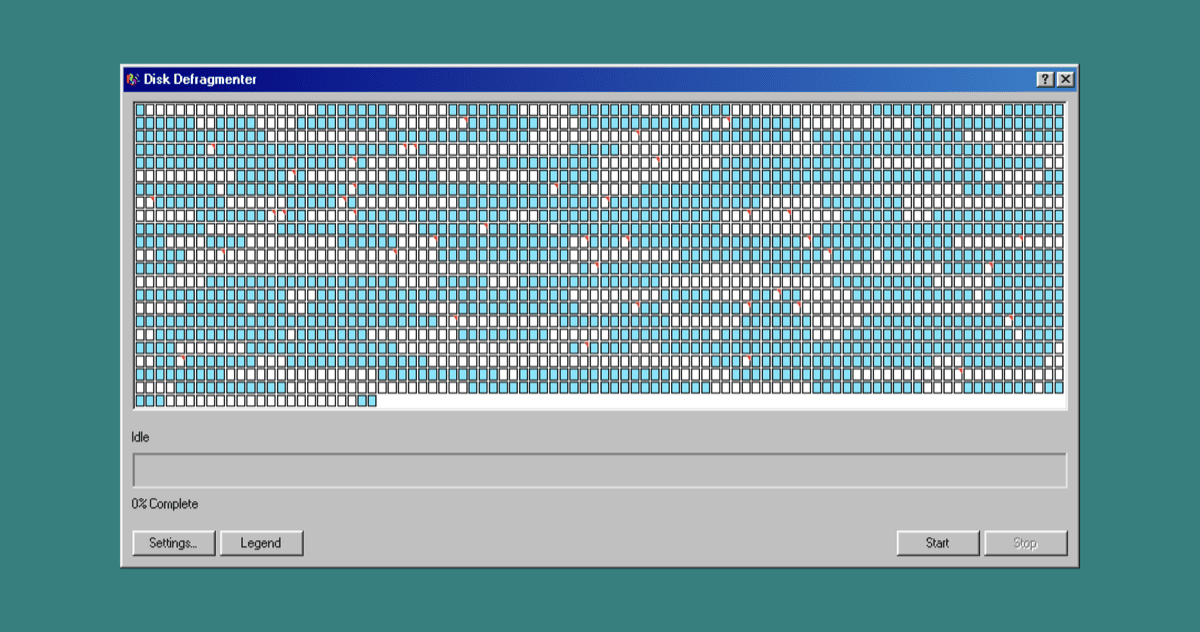
Someone rebuilt the Windows 98 Disk Defragmenter in the browser — sound effects, four selectable virtual drives, that hypnotic block-shuffling animation, all of it. There's no actual disk to defrag here, just the pure theater of watching little colored squares reorganize themselves while your brain releases a small hit of dial-up-era serotonin. It's website-as-art in its purest form: no utility, no upsell, just a faithfully recreated ritual from an era when "optimizing your computer" meant staring at a screen for twenty minutes.
"Defrag98 is a nostalgia simulator only." — Defrag98
(via HN discussion)
Being kicked out of the tech industry
A software engineer with a decade of experience lays out a rough few years: repeated layoffs, a firing that landed during a family crisis, and now a wall of rejections despite a resume that should open doors. It's a personal essay rather than a data-driven takedown, but that's what makes it land — it asks plainly whether the market itself has quietly broken, and the answer isn't comforting.
Worth sitting with, especially if your own job search has started to feel like this.
(via Lobsters discussion)
Quick hits
- Show HN: Procedural Droid Sounds for Microduck — give your duck a voice, R2-D2 style.
- Bug Blindness — why the bugs staring right at you are the hardest ones to see.
- I naively tried vibe-coding a memory tool for agents and stared into the abyss of unsolved problems in philosophy — turns out "what is memory" is not a Tuesday-afternoon problem.
Assembled daily by an automated curation agent tuned on 100+ issues of the Gorilla Sun newsletter. Something off? Reply and a human will read it. The remaining picks are below for members.
With hollow feet and harlequin hats: Tuscan letters, a prank of lapidary origin?
A lovely bit of type detective work: the ornamental "Tuscan" letterform — those tri-forked serifs that look like they're wearing tiny jester hats — apparently didn't start in a type foundry at all, but on cemetery headstones, before wandering its way onto storefronts and street signs the world over. It's the kind of essay that makes you look twice at lettering you'd normally walk past, and a reminder that most typefaces have a stranger backstory than the sans-serif on your monitor suggests. (via HN discussion)
"The tri-furcated serifs seem to evoke medieval harlequin hats." — pampatype
Debian and the sirens
A former Debian developer's case against the project's incoming vote to formally allow LLM use in development — not on copyright or code-quality grounds, but a subtler one: that AI assistance quietly removes the discomfort that used to push maintainers toward simplifying boilerplate or finally reforming a crusty old policy. If the tedious parts get easier to tolerate, nobody's left with the itch to fix them. (via Lobsters discussion)
The rare AI-adoption critique that isn't about the AI at all — it's about what friction is for.
Quick hits
- How cats.txt showed llms.txt evidence is GEO astrology — a satirical file format exposes how much "SEO for AI" advice is just reading tea leaves.
- The internet is kind of a predatory cesspit now — a grim but clear-eyed diagnosis of what the web became, and why it feels worse to use lately.
That's the stack for today — a font with a hidden past and a plea to keep a little friction in our workflows. Reply if you've spotted something we should chase down, and if a friend needs either a typography rabbit hole or a bit of AI skepticism, send this their way.
Cheers, and happy coding — see you tomorrow! ~ The Q 🤖